Start of the New Semester
September 29, 2026
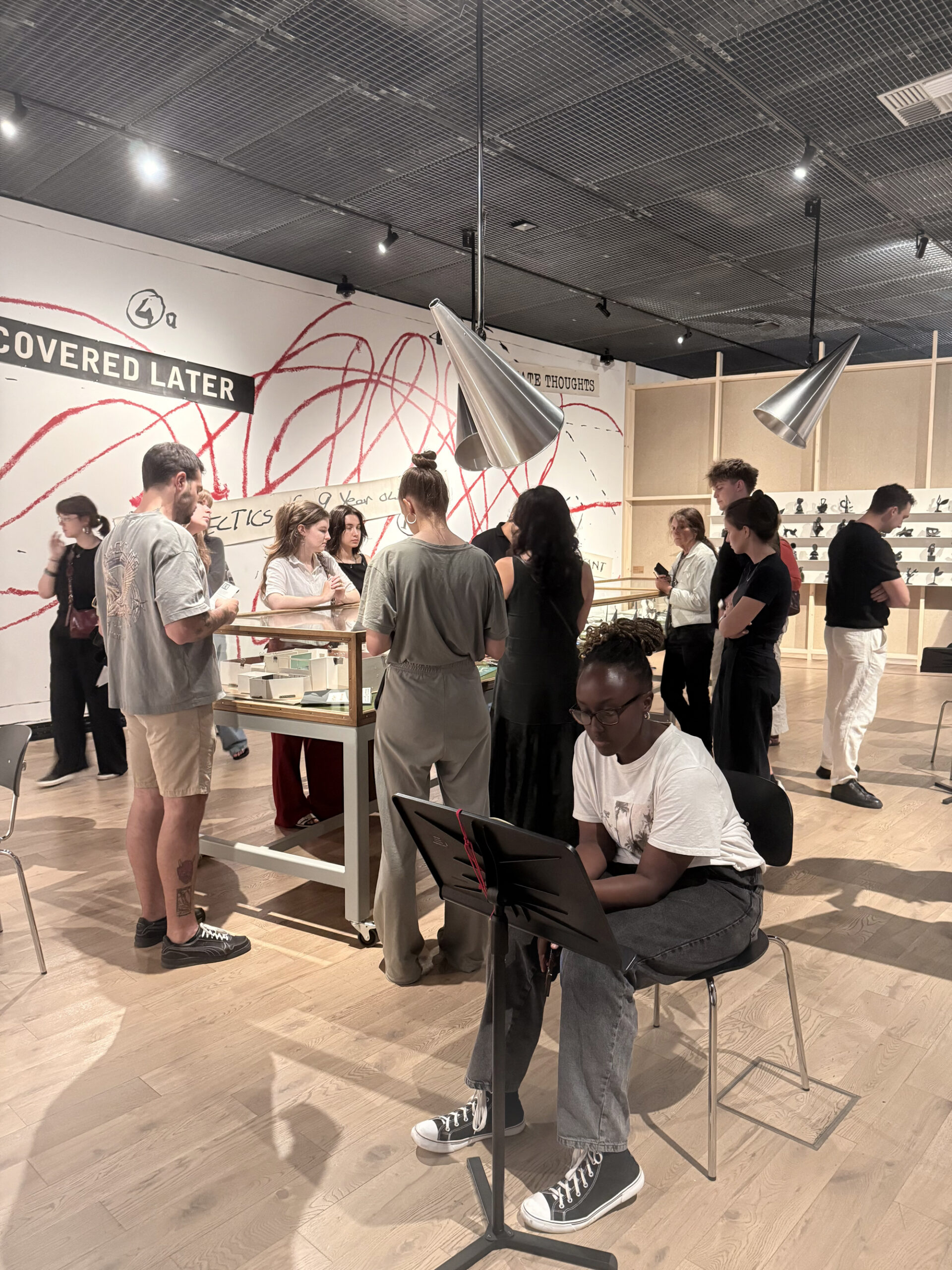
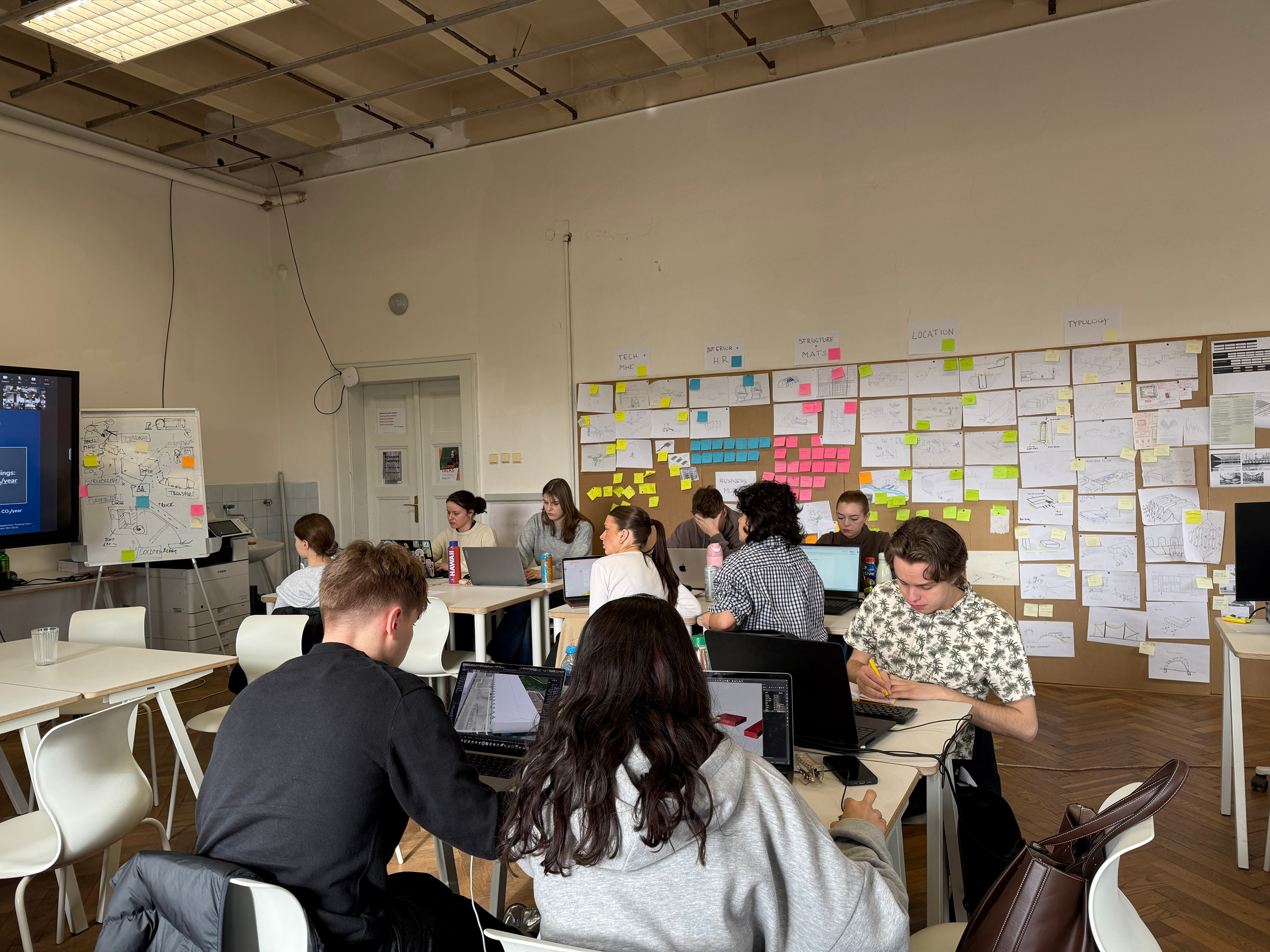
ARCHIP is entering its fifteenth year with a new semester that offers several different perspectives on contemporary architecture. The common theme is building envelopes and their transformation in contemporary architecture. Students are introduced to various approaches to designing these, ranging from classical forms to contemporary bio-reactive forms. They then apply their knowledge once again in the laboratory in Prague, and particularly in the vicinity of Prague Castle. There, students explore the relationship between contemporary architecture and the historic city, the landscape and public space. They also focus on ecology, new technologies, housing and the future of the city.
“Prague allows us to work with both history and the present, whilst also exploring themes that will be important for architecture in the future. We want students to be able to perceive architecture in a broader context, as part of the city, the landscape and society,” says Regina Loukotová, Rector of ARCHIP.
The Metabolic Skin
A key theme of the semester is The Metabolic Skin, a studio led by Winy Maas and Šimon Knettig. It explores the building façade as an active system capable of working with water, energy and materials, whilst creating conditions for other forms of life. Students combine ecological research with digital tools, prototyping and experimental fabrication. The theme builds on the work of Winy Maas and MVRDV, whose projects interweave architecture with landscape, biodiversity and urban ecosystems. One example is the ROCKS! project in Rotterdam, which engages with landscape, water, biodiversity and circular materials.
Prague and Prague Castle
The area surrounding Prague Castle is becoming a key focus for research and design in the new semester. Wertig and Kopecký’s studio is exploring new forms of housing, modularity and the possibilities for contemporary construction within a historic setting. Zuzana Drahotová’s studio is focusing on the transformation of the Prague Castle Riding Courtyard and its relationship to public space and the city. Elan Fessler’s studio is working with the area of Chotkova zatáčka and Jelení příkop, exploring possible scenarios for its future transformation. The Prague context also features in the work of Prokop and Kurilla, whose students are moving from a personal relationship with the space to questions of the shared environment and are working with the Albertov area.
A Look to the Future
Building on the current semester, Zuzana Tittl’s Urban Studio will follow in the next term, focusing on the city as a complex whole and linking urbanism, landscape, public space, data and everyday life. Here too, Prague will remain the main setting for research and design. ARCHIP is thus developing a curriculum that looks at the city not only as it is today, but also at what it may become in the future.